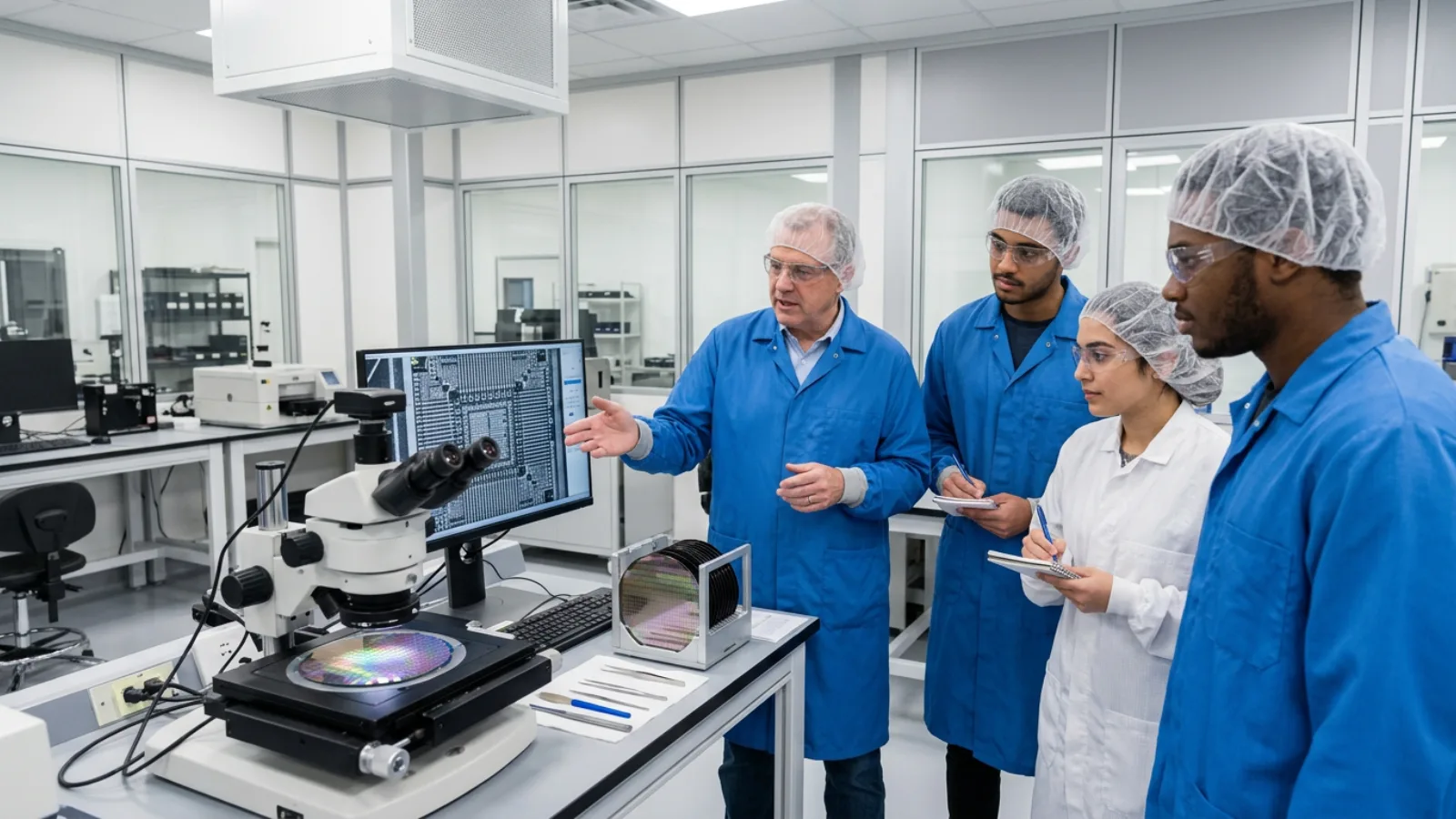
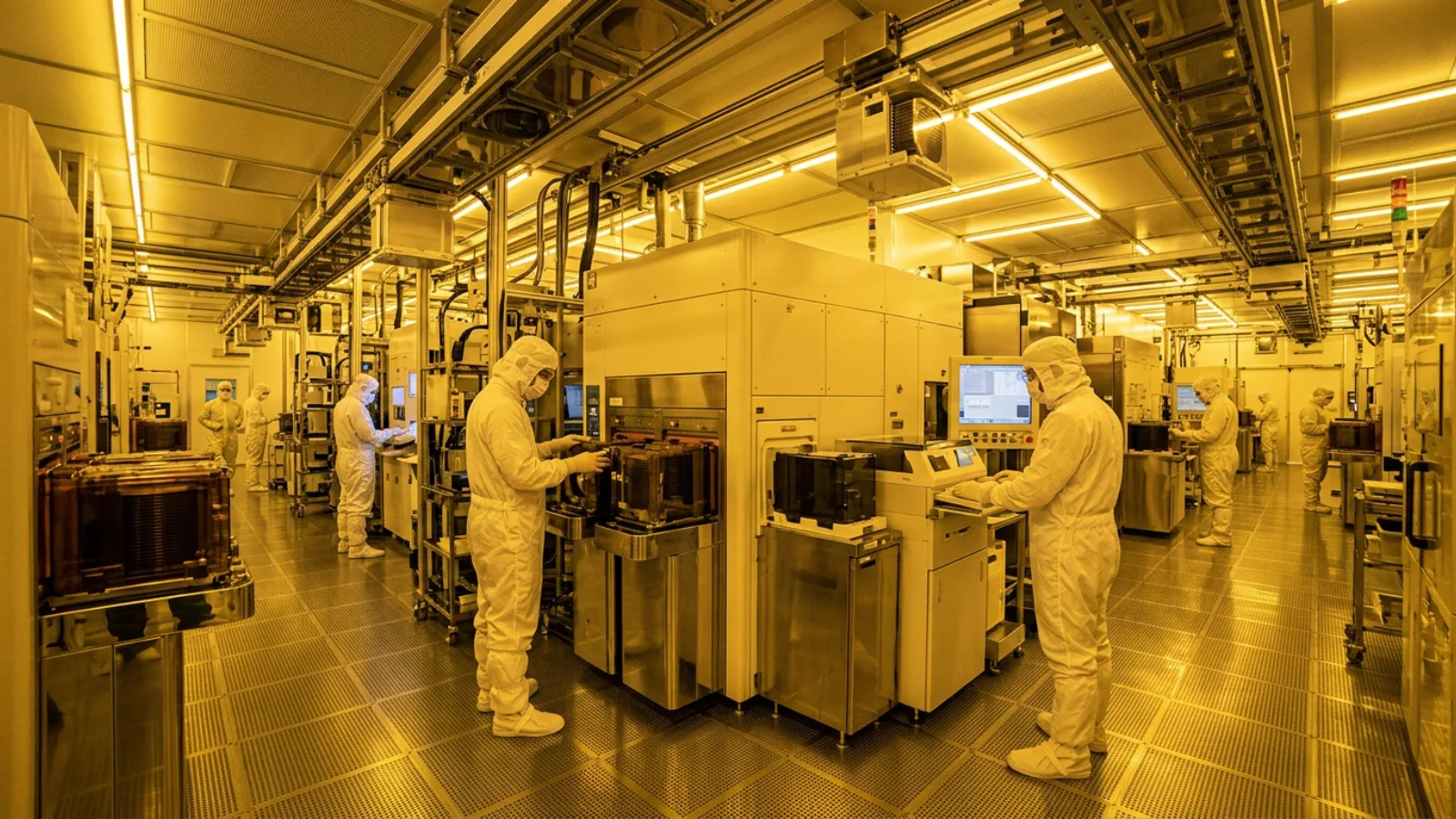
Short answer: The semiconductor talent shortage is no longer only an American problem. On October 29, 2026, the head of Lam Research Korea said Korea could face a shortage of 50,000 to 70,000 semiconductor workers within 5 years (Seoul Economic Daily). On November 2, leaders of the industry group ISIG said India has strong design talent but a shortage in semiconductor manufacturing (ANI). For leadership hiring, the result is more competition for the people who can run fabs and build teams.
Key data
- 50,000 to 70,000: Korea's projected shortage of chip workers within 5 years.
- No downcycle before 2030: Lam Research Korea's view, citing AI demand.
- Integrated engineers in demand: people who understand etching, deposition and lithography together.
- India: chemical engineering and materials science named as the disciplines that need the most focus.
Why the shortage reaches the C-suite
When engineers are scarce, the leaders who can attract, train and keep them become more valuable. Fab general managers, operations heads and site leaders now compete for candidates with hyperscalers and AI hardware companies as well as other chipmakers. In India, ISIG's chief executive said talent drives investment decisions, ahead of business development.
What recruiters should do
- Look for leaders with a record of building teams from scratch at new sites.
- Value training and university partnerships on a candidate's record.
- Search across borders: Korean, Taiwanese, US and Indian operators are drawing on the same pool.
- Prepare clients for longer searches for fab and process leadership.
Related: SK hynix's leadership reshuffle.